I.The Setting
Twenty-twenty-six was always going to be a year of high signaling. With four scheduled head-of-state engagements between Washington and Beijing — two reciprocal state visits, the APEC leaders' meeting in Shenzhen, and the G20 in Miami — the calendar itself communicates a message: a sustained, structured cadence of contact has replaced the long stretches of silence that defined the past five years.
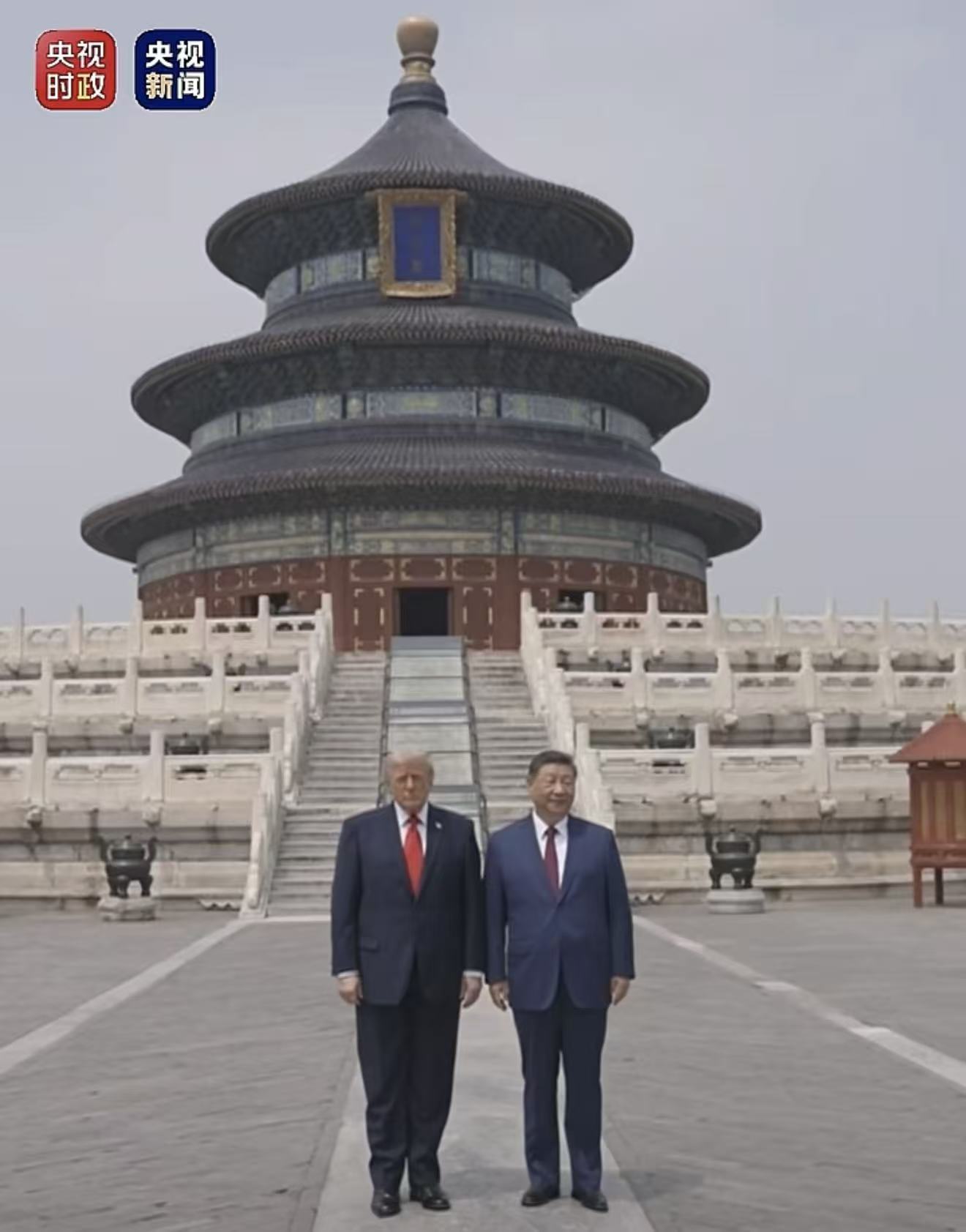
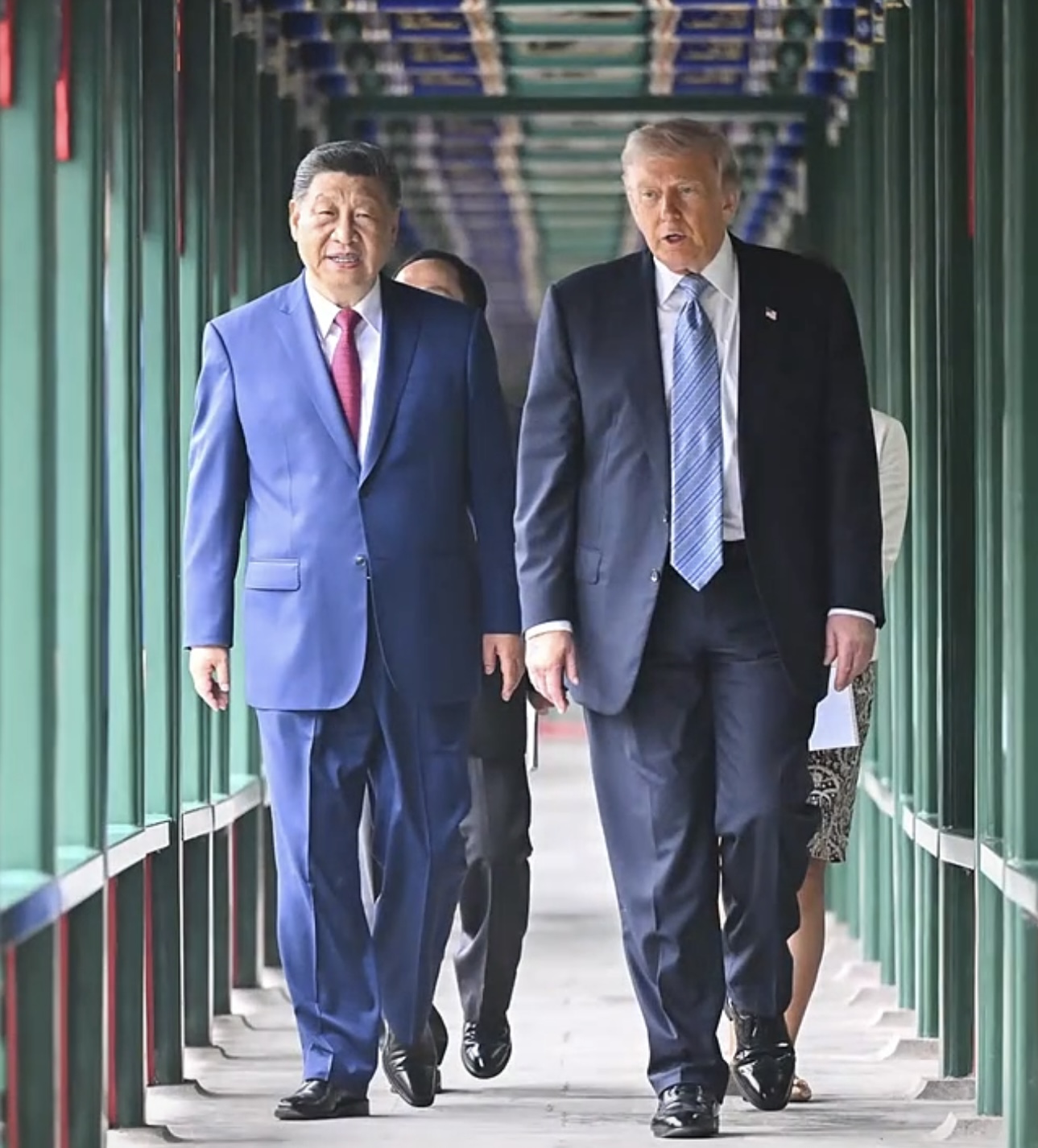
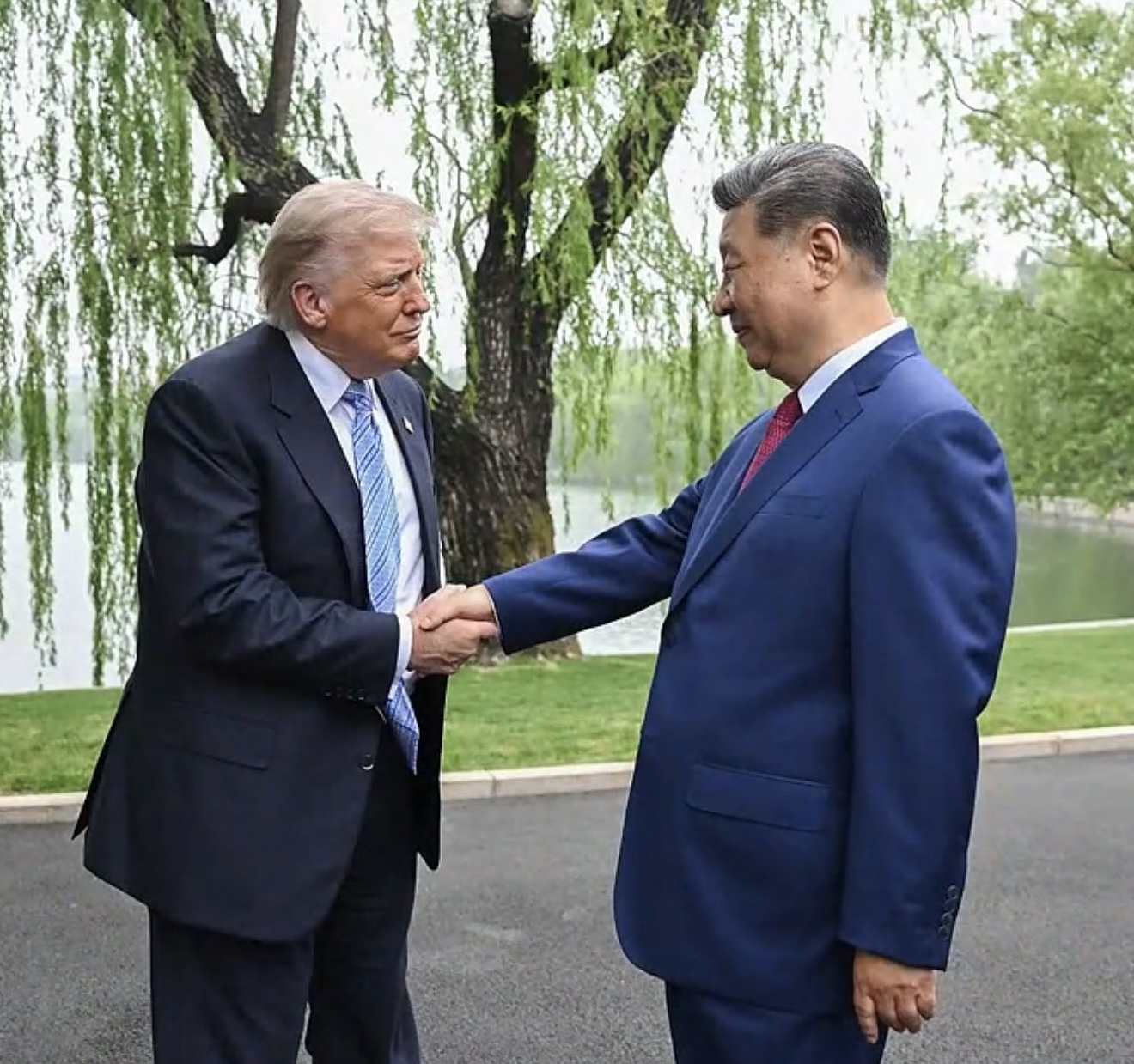
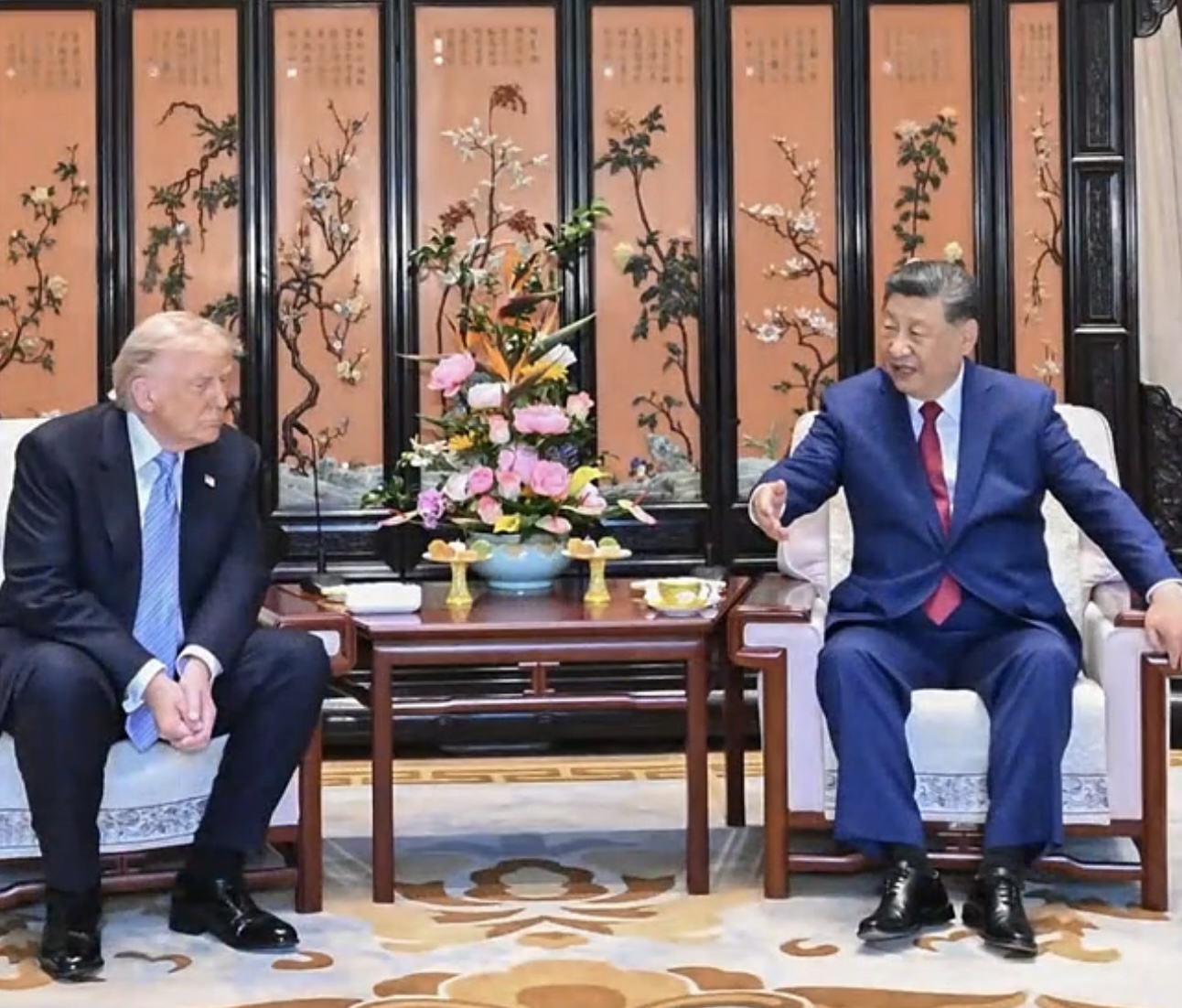
The Beijing leg, hosted partly at Zhongnanhai and choreographed against the Hall of Prayer for Good Harvests at the Temple of Heaven, was, in the words of one senior advisor close to the Club, "stage-managed not for surprise, but for symbolism." It is an image-as-policy doctrine: continuity, civility, and the unmistakable suggestion that the most dangerous phase of the relationship has been navigated.
"The honeymoon era is over. The mature competition-and-cooperation era has begun."
II.Why This Visit Matters
The temptation, for analysts and investors alike, is to read each summit as a transaction — to count the deliverables, weigh the deal value, and grade the visit accordingly. That frame, the Club holds, is incomplete. The deeper significance of this visit lies in what was not contested: that strategic competition is structural, that economic interdependence is real, and that the two powers can hold both truths at once without rupture.
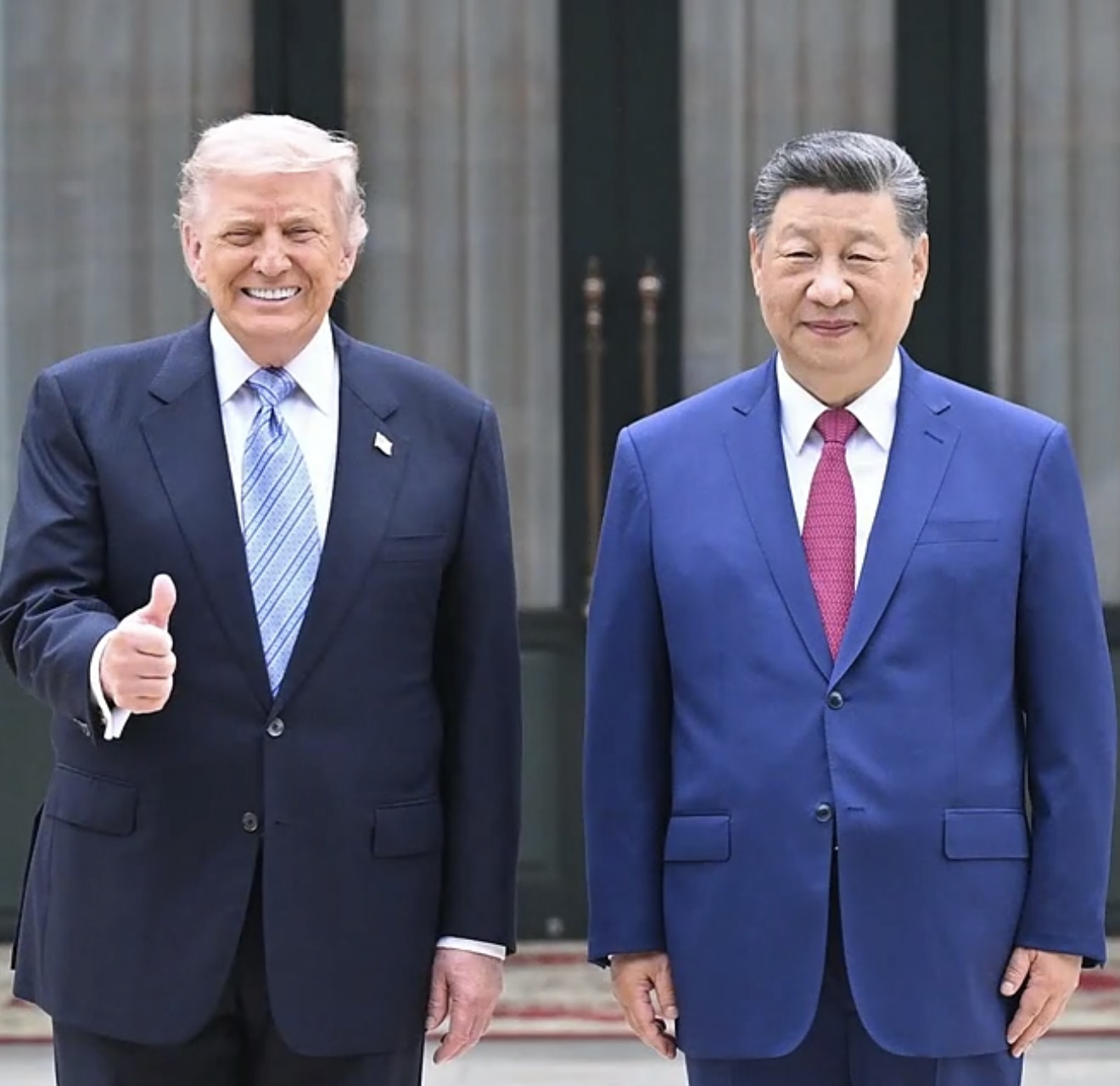
President Trump's public remark — that he "felt good about" his visit to Zhongnanhai, and that he looks forward to "win-win cooperation between China and the United States to create a better future together" — is, by the standards of recent years, a meaningful tonal shift. Whatever its tactical motivation, it constitutes a public reset of the register in which the two governments speak about one another.
02
Reciprocal State Visits
III.From Honeymoon to Maturity
For most of the past decade the U.S.–China relationship has oscillated between two equally unstable poles — the romanticized "win-win" of the early 2010s and the tariff-and-tech rupture of the late 2010s and early 2020s. Both modes asked the relationship to do something it could not: be wholly cooperative, or wholly antagonistic. The mature framework that 2026 inaugurates makes a different demand. It asks both capitals to operate inside the contradiction.
In practice, that means competition will continue — in semiconductors, in artificial intelligence, in the Pacific, in the standards battles that will define the next decade of computing. But it also means that, on climate, on financial stability, on pandemic response, on capital markets and on the choreography of public diplomacy, the two governments are signaling the willingness to be predictable to one another.
"Predictability, not affection, is the currency of the new era."
IV.What It Means for the Chinese Diaspora
For the Club's members and the wider Chinese elite operating between New York, San Francisco, Hong Kong and Singapore, the practical implications are concrete. A more predictable bilateral cadence reopens corridors that have been narrowed: Chinese capital can re-engage U.S. private markets with clearer rules; U.S.-listed Chinese issuers face a reset, not just a pressure cooker; cross-border philanthropy, science and education recover meaningful breathing room.
The Club's view is that the work of the next five years is neither to celebrate this thaw nor to discount it, but to professionalize around it — to build the institutions, the funds, the legal architectures, and the cultural diplomacy required to operate with discipline inside a relationship that will remain, for the foreseeable future, both contested and indispensable.
V.Closing Note
The image that will define the visit — two heads of state framed by the Temple of Heaven, the willows of Zhongnanhai behind them — is not a deal photograph. It is a continuity photograph. It says, simply: we will keep speaking. For the worldwide Chinese community whose lives, capital and futures are routed through both shores, that, in 2026, is the news.
— GEC Editorial Desk · New York